
Another day another website. I decided to split off my professional data design work and start building an online portfolio. So if you want to get a sense for what my professional visualization work looks like, head over to Lysy Design.
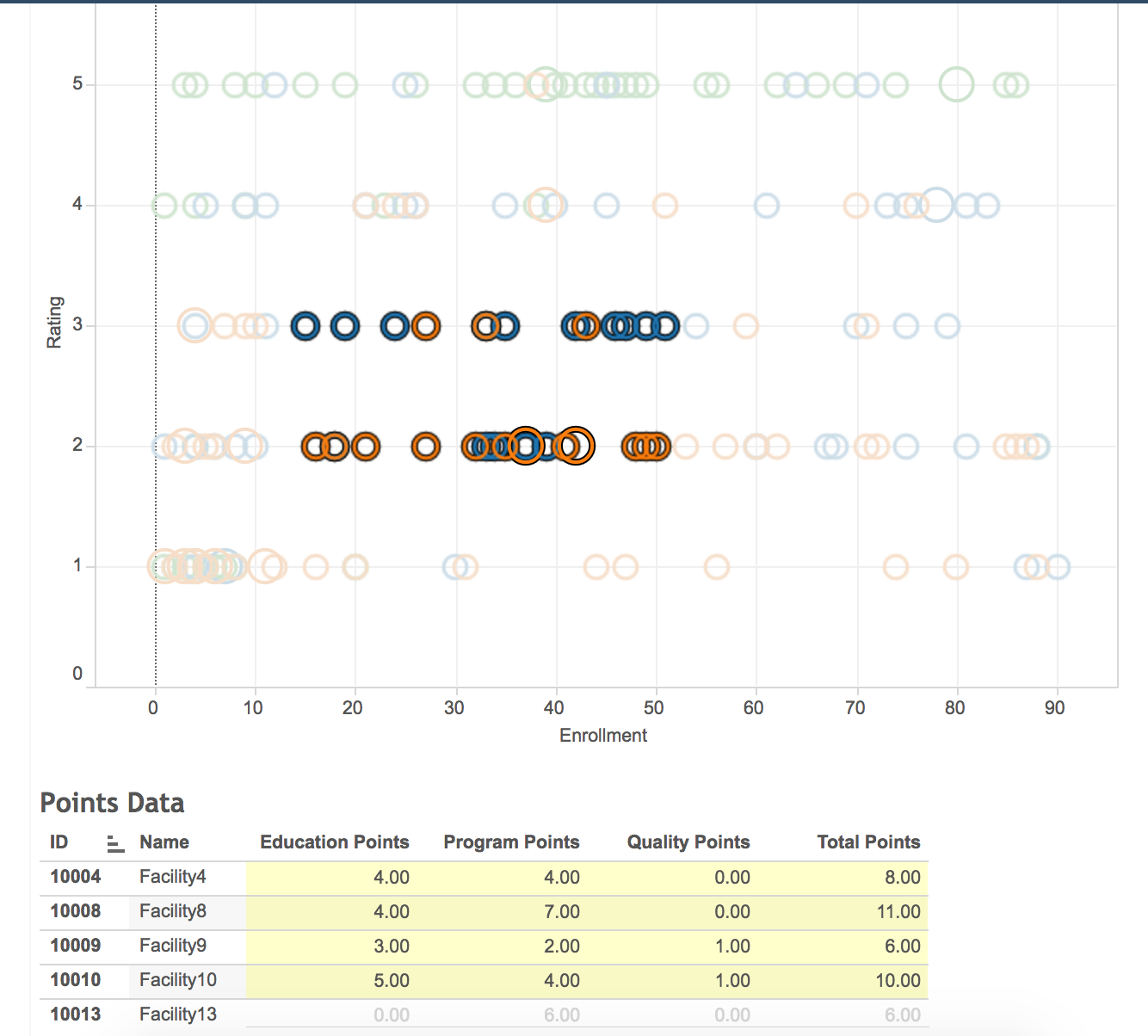
Tableau Dashboards
We collect tons of data every single minute of every single day. Unfortunately, not all of that data is in a format or location where we could access it and start to understand the lessons embedded within. If you do find yourself with a lot of data, building a dashboard could help pave the way […]

Vector and Interactive Infographics
Today’s reporting needs are diverse. No more getting by with a long end of year report and a couple of briefs. Contemporary reports are layered collections of social media images, print one-pagers, posters, infographics, websites, and videos. I design infographics using professional vector graphic design tools. By creating graphics using math instead of pixels, you […]

Charts and Illustration
Simple is hard, but it’s not impossible. Charts and Models Models don’t have to be boring tables. We can use simple illustration and color to help our models stand out and deliver the information we want them to deliver. Simple illustrations, in the forms of icons, and short narrative sentences can completely transform a model. Turning […]

Social Media Content Strategy
There was a time when using the web just meant putting up a simple business webpage or uploading your report to your organization site. But times have changed. If you actually care about reaching your audience or finding new clients, you need a strategy. Here is the one I use with my clients. 1. Funnel […]

A Tableau Revisit
Back during my Westat days, I was always a little surprised by how few Tableau licenses found their way into employee’s hands. We had a lot a data and the kinds of projects that could clearly afford to foot the bill for a license or two. But there were a couple of things that really […]

Single and Multi-Response Icon Arrays
I recently had the opportunity to work with the team at YouthPower to visualize their Systematic Review of Positive Youth Development in Low- and Middle-Income Countries. They had a very common data visualization problem. How do you differentiate the visuals for single response and multi-response data? This is a place where a lot of people […]

More Holiday Time
So one of my clients works with overseas teams in both India and the Philippines. One of his challenges is helping his clients understand the different holiday schedules for overseas workers. I wish we had 25 public holidays a year!

Open Canvas Charting with SketchApp
Like every other data analyst in the world, I have done my fair share of charting in Microsoft Excel. And also like every other data analyst, I got tired of trying to bend Excel to my will. Basic bar charts, line charts, and scatter plots are easy designs for a spreadsheet tool, but sometimes they just […]
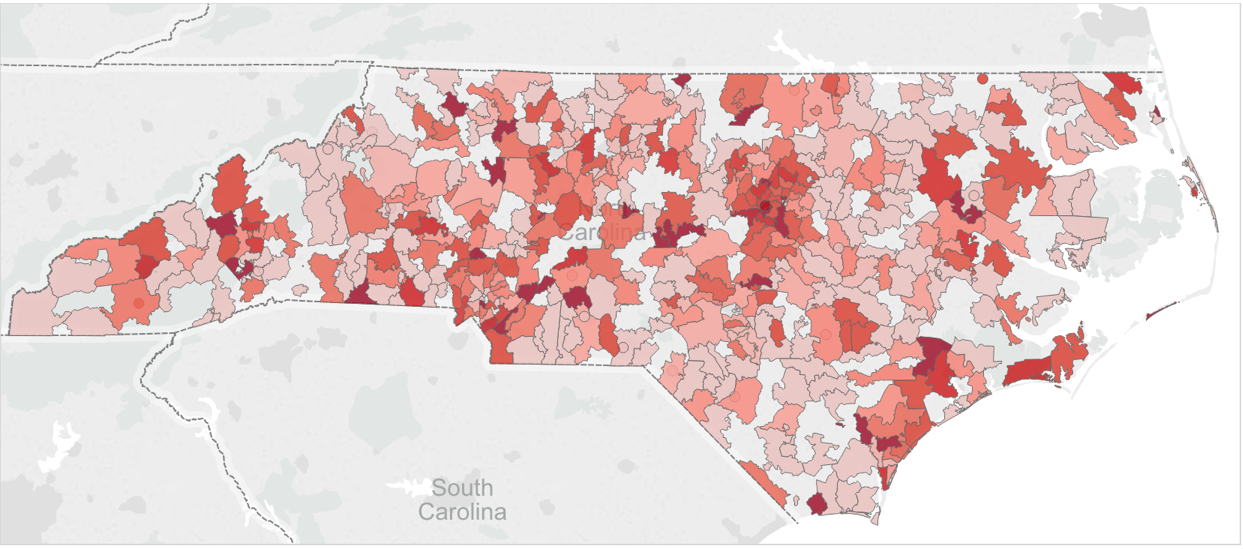
Building a Portfolio, one post at a time.
A designer without a portfolio is like a doctor without a white coat. I have been without that white coat for over a year now. At first, I had an easy excuse. Just starting my business I wasn’t really sure where my focus would go. And to be quite honest, it never really fit in […]