Additional menu

Chapter 2: How Pictures and Words Work Together

My favorite illustration quote comes from Maurice Sendak:

“You must never illustrate exactly what is written. You must find a space in the text so that the pictures can do the work. Then you must let the words take over where the words do it best. It’s a funny kind of juggling act.”

This is the core principle you need to understand when illustrating qualitative data: you’re not visualizing your text, you’re creating visuals to support your text.

The Trap of Direct Translation

When people first start jumping into illustration, they go very direct. They’re like, “Okay, I’m writing about an apple. I need to draw an apple” or “I’m writing about a cat. I need to draw a cat.”

But that’s not really our goal. Our goal is to facilitate communication—to connect with people so they can read our work and process the qualitative information we’re sharing.

When you’re illustrating, you’re not just replicating what you wrote. You’re creating something to complement it. And depending on what you create, it changes the way people perceive the original writing.

How Pictures Change Meaning

Let me show you how this works with a simple example.

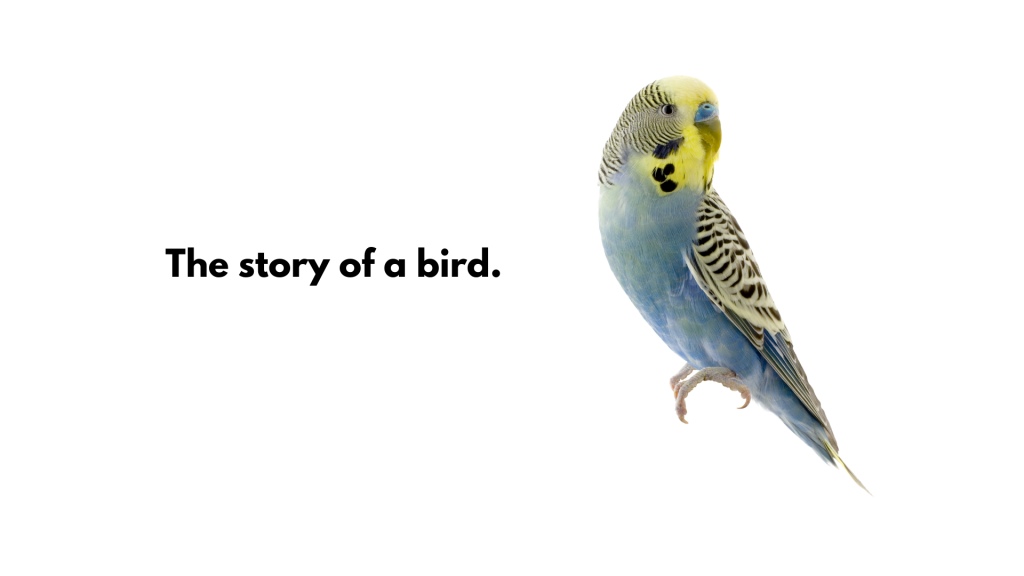
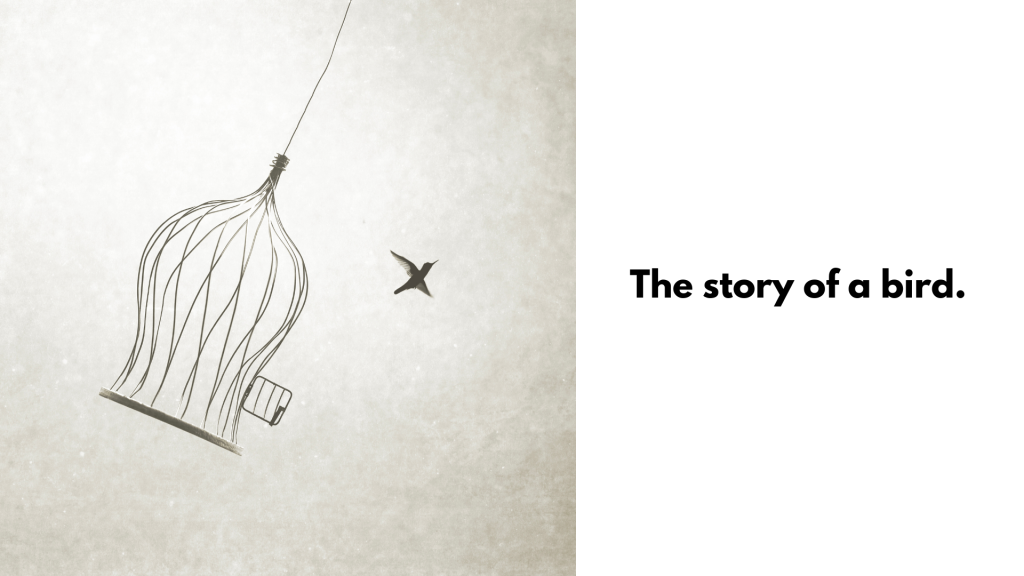
Imagine I write: “The Story of a Bird”

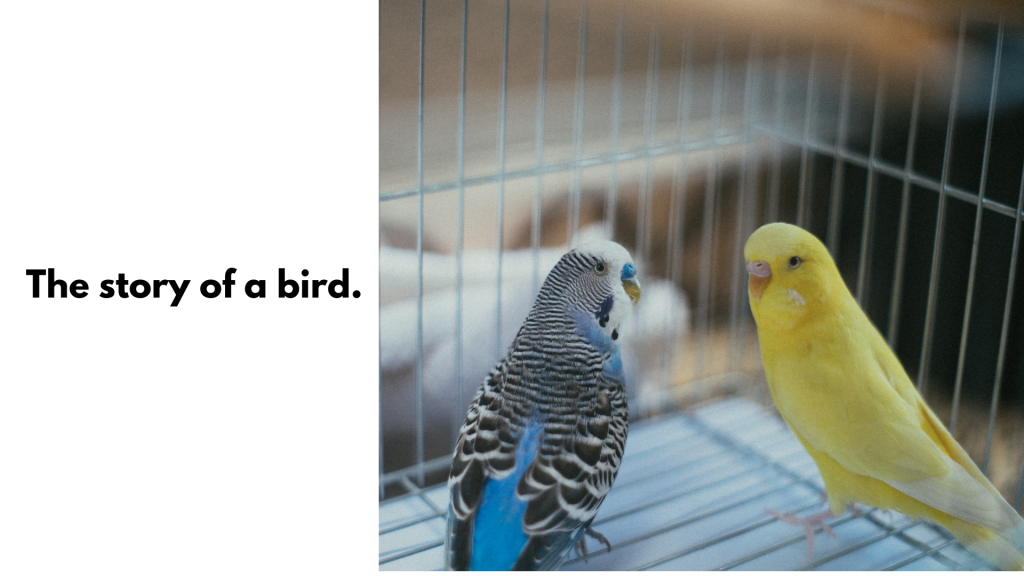
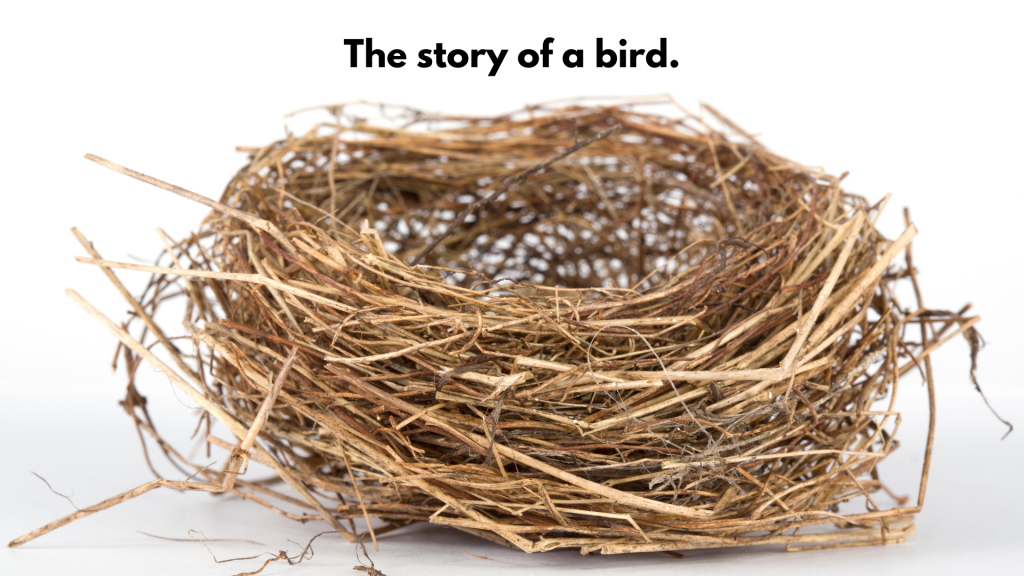
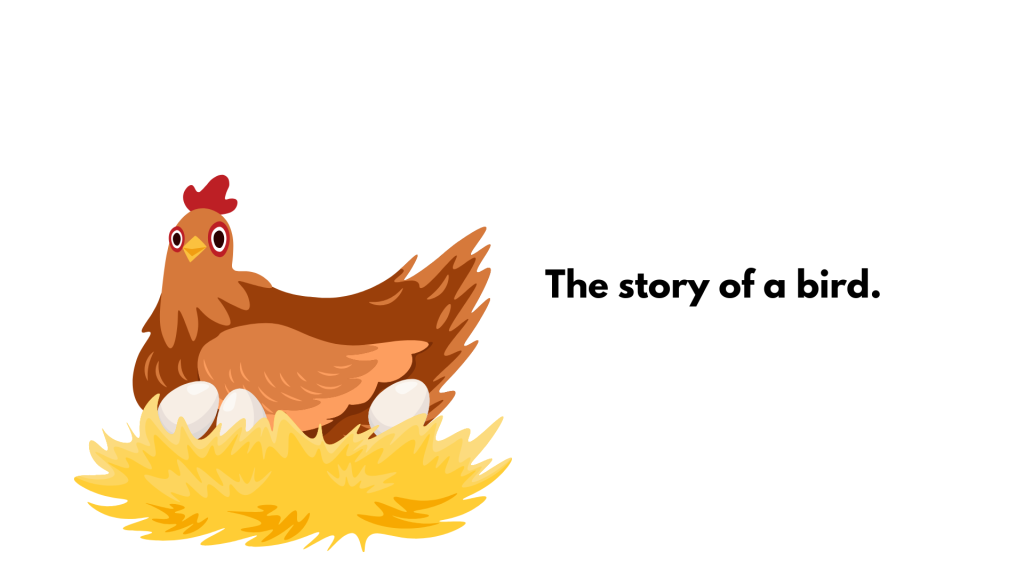
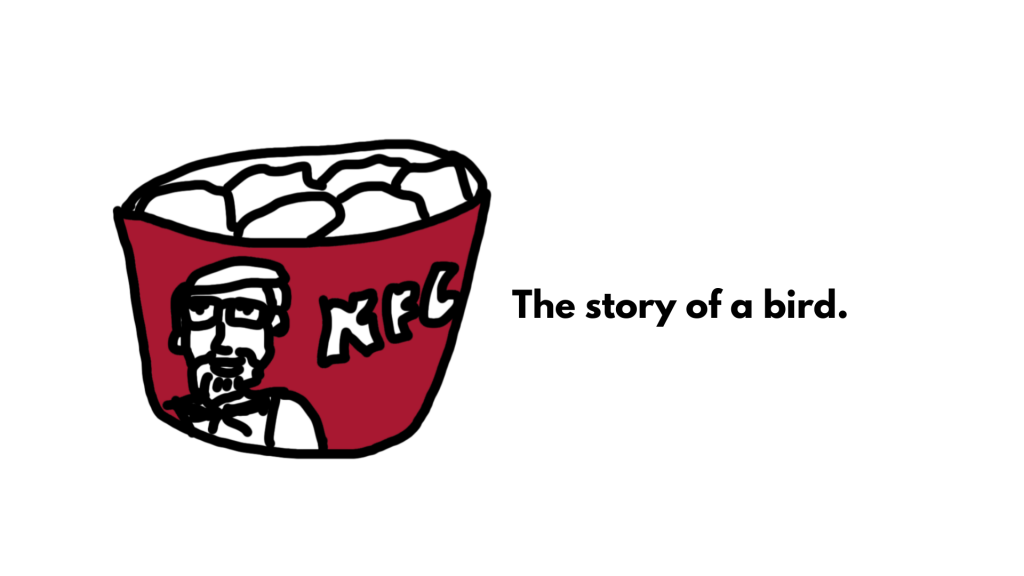
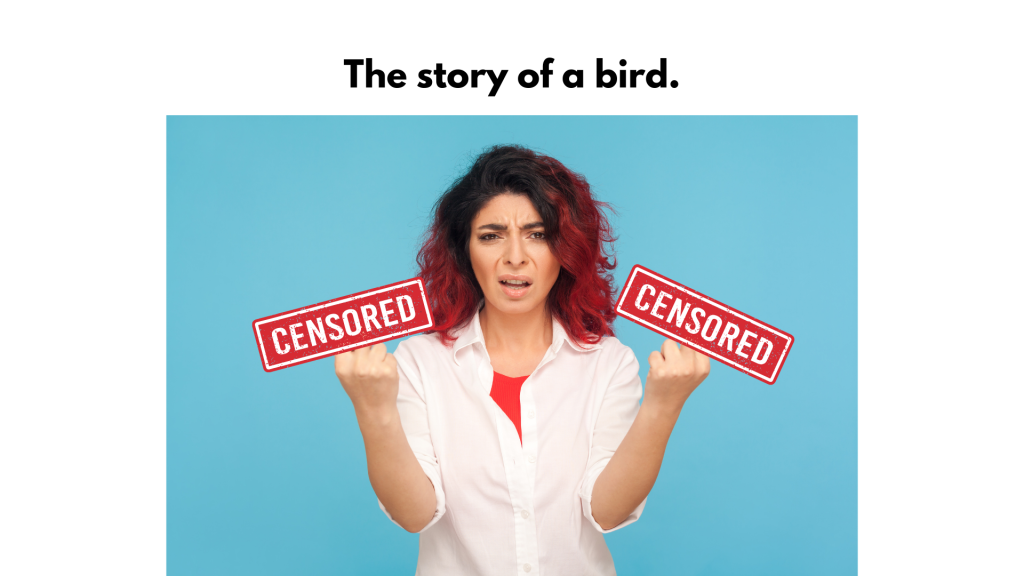
That’s all—just those four words. Now watch how the story changes with each image:

It's probably about that bird.
Now it's a love story, or a story about friendship.
Maybe about the family that lived there, or about future nests, or an empty nest.
Definitely about the chick, about new life,
About the chicken? About the eggs? About waiting?
About escaping, about captivity.
Now it's tragic.
Maybe about the rise and fall of a certain bird company.
About someone trying to fly, about aspiration.
Jail bird.
Now it's probably a funny story.
Now here is a totally different type of bird.

I didn’t change the words. All I did was change the pictures. And you can tell how every single one of these changes the story.

The visuals you choose are going to change the way people perceive the words you share.

This goes with anything. The images that accompany your qualitative findings, quotes, and insights will shape how readers understand and remember that information.

Universality: How Specific Should You Be?

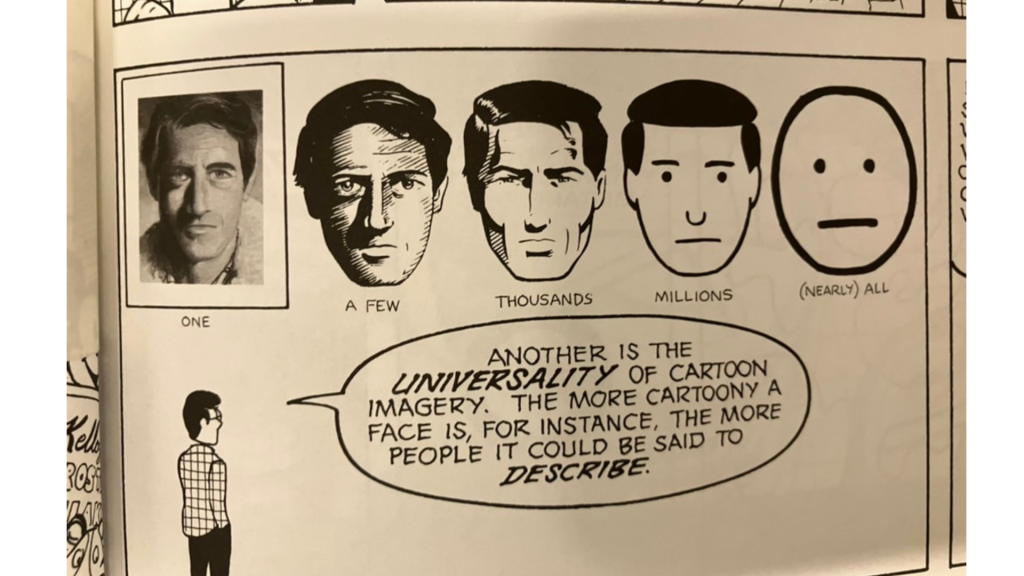
Here’s a useful concept I picked up from Scott McCloud: The more cartoony a face, the more people it could describe.

Look at a highly realistic portrait—that’s one specific person. As you move toward more abstract representations (simpler features, fewer details, stick figures), the image becomes more universal. A stick figure could be anybody.

When to Be Universal

Use more abstract, simple illustrations when:

You’re talking about general concepts

You want readers to see themselves in the image

You’re representing a broad group

The specific identity doesn’t matter to your point

A simple icon of a person, a basic stick figure, a silhouette—these can represent everyone.

When to Be Specific

Use more detailed, realistic illustrations or photos when:

You’re quoting a specific individual

You want to show diversity and representation

The context matters (this particular hospital, this specific community)

You’re sharing someone’s individual story

But here’s the catch: the more specific you go, the more you need to think carefully about representation. Are you varying it? Is it representative of the people you’re talking about?

Here is a set of icons, illustrations, and a stock photo. Photos are often the most specific, and one color icons are usually the most universal.

The Stock Photo Problem

Stock photos can be really specific to certain people, certain ideas. If you don’t have stock photos that are really connected to the audiences you’re talking about, they can feel disjointed to the work you’re sharing. It just doesn’t feel right, doesn’t fit.

Sometimes more universal graphics—illustrations, icons—can help you connect to broader concepts without the specificity problem of stock photos.

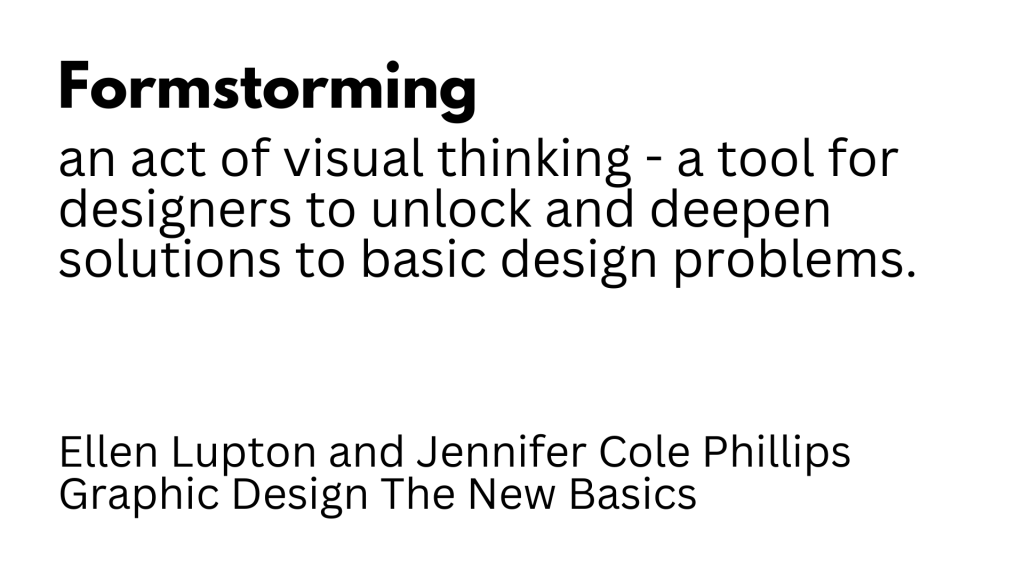
Form Storming: Don’t Settle on the First Idea

Here’s a common habit: we often settle too quickly on an idea.

This happens with charts when we’re doing quantitative data visualization too. We’re like, “Okay, what’s the best chart? Maybe it’s a bar chart.” We figure out the right chart and stick with it.

It’s better to create three charts and ask, “Now that I’ve created three charts, which one tells the story better? Which one helps support my story better?”

Same thing goes with illustration.

The Practice of Form Storming

Form storming means generating multiple visual approaches to the same content. Here’s how it works:

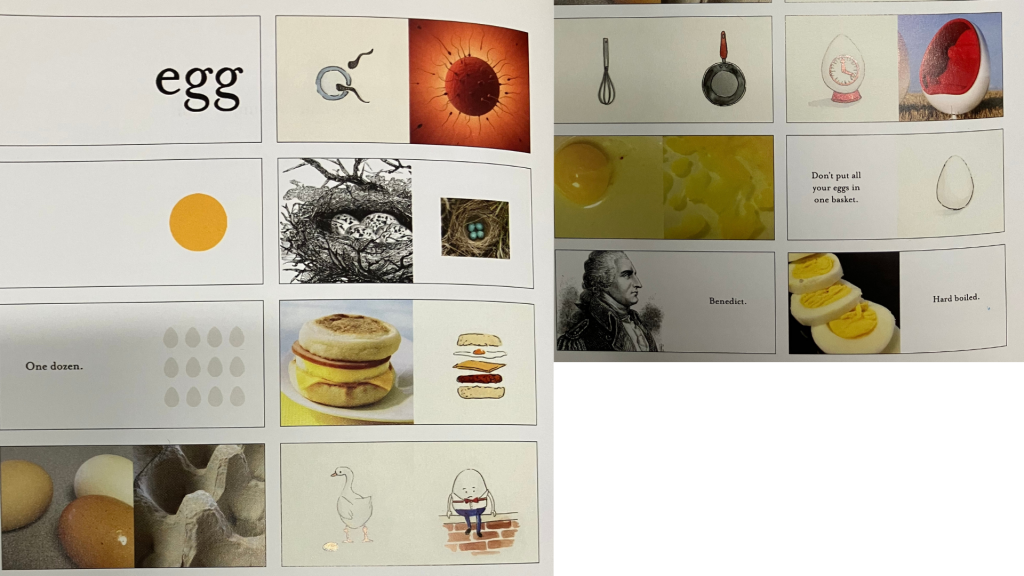
Take a simple prompt—say, “egg.” Don’t just draw one egg and move on. Instead, try a bunch of variations.

You’ll notice that you usually start simple and get more complex, or more unexpected—but usually more interesting. And each one changes the story. A picture of Benedict Arnold is likely not the first idea you would came up with an egg prompt.

Applying It to Your Work

When you’re illustrating qualitative findings, try this:

1. Start with the obvious – What’s the first image that comes to mind?

2. Think about emotions – How do people feel about this? What would that look like?

3. Consider metaphors – What does this remind you of? What’s it like?

4. Zoom in or out – Focus on a detail, or pull back to show context

5. Change perspective – What would this look like from a different angle?

You don’t have to create finished illustrations for all of them. You just have to have an idea of what you’re going to try to create.

Create a few options. Each one will tell the story a little bit differently. Then ask yourself: What story do you want to tell?

Starting with Simple Drawings

I know what some of you are thinking: “But I can’t draw!”

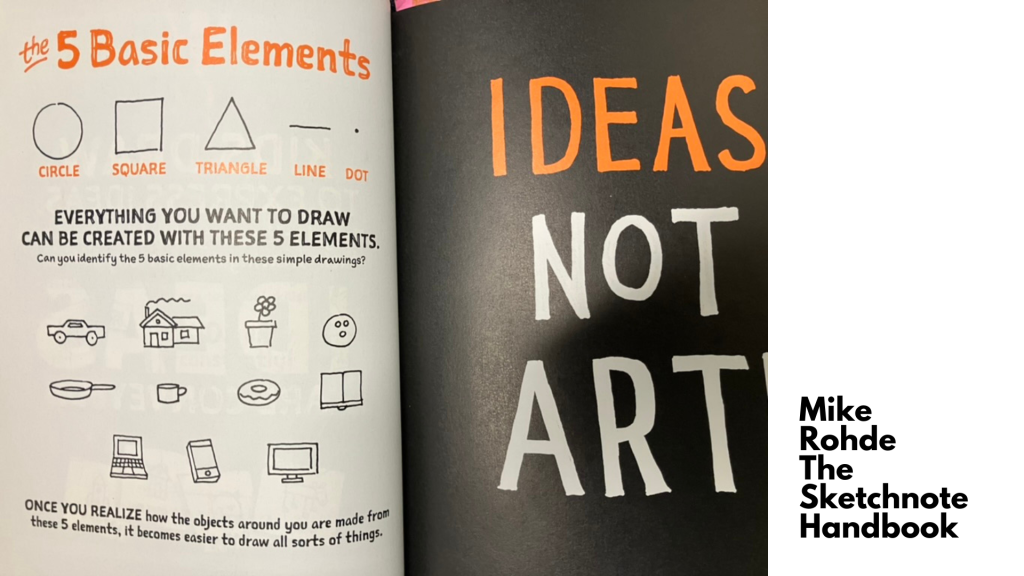
Here’s the thing—when you’re drawing for ideas, not for art, it doesn’t have to be good. It has to be clear enough that you understand what you meant.

There are also plenty of tools and visual collections we can use to create something “professional.” 

But I find the best way to brainstorm concepts is just to pull out some paper and scribble away.

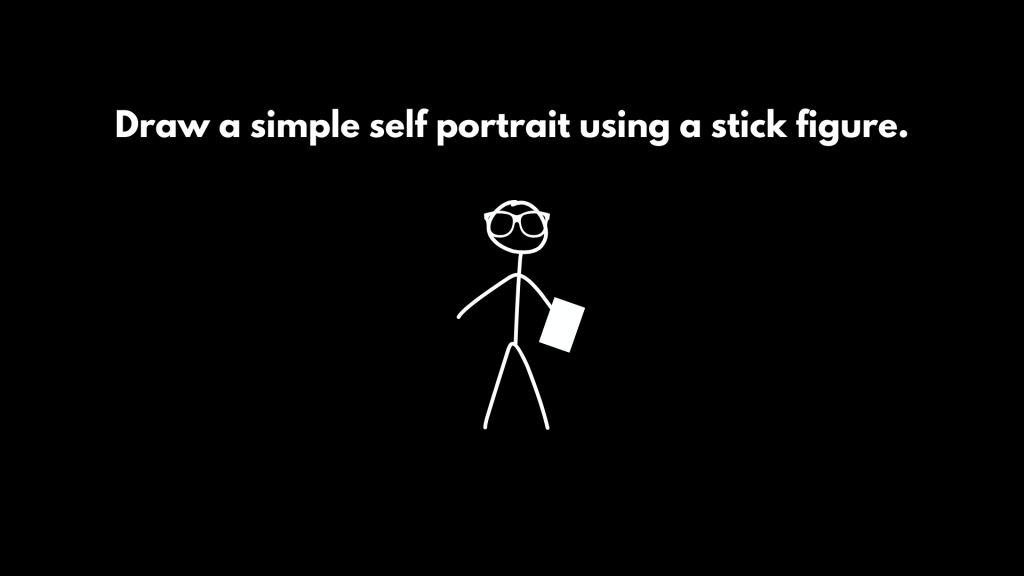
The Self-Portrait Exercise

I want you to give this a try.  Actually pull out some paper and a pencil (or pen, or crayon, or marker…).

And then just draw yourself a simple self portrait with a stick figure.

Now Let’s Talk About Your Drawing

When drawing a simple stick figure self-portrait, most people don’t just draw a stick figure—they add something. Glasses. Long hair. A hat. Headphones. Maybe they’re sitting at a computer. Maybe there’s a cat.

What did you draw?  Did you give your stick figure any personality?

Even with the simplest prompt.These choices tap into something inside of us—some creative instinct, the ideas and things we see about ourselves and others.

When you make those choices consciously, when you think about what to include and what to leave out, that’s when you’re starting to illustrate effectively.

The Universal vs. Specific Exercise

Try this: Draw two pictures.

1. Any person (something very universal)

2. A woman named Millie who has big hair, earrings, and a scar on her cheek

Now Let’s Talk About Your Drawing

For the first one, you probably drew a plain stick figure. For Millie, you had to get specific—you had to figure out how to show big hair, how to draw a scar that doesn’t look like a slip of the pen.

This is the spectrum you’re working with. Sometimes you want universal (the stick figure that could be anyone). Sometimes you want specific (Millie with her distinctive features).

The more creative, the more artistic something is, the more variety you often have to share to reach broader audiences. If you’re trying to represent a whole bunch of people, you need variety in your visuals—different ages, sizes, abilities, backgrounds.

Simple Formstorming Exercise

Let’s say you interviewed ambulance crews.  Can you come up with four different simple pictures to illustrate those interviews?

Start simple, then get a bit more creative as you go.

Now Let’s Talk About Your Drawing

How did it go? Did you find yourself getting more creative as you went along?

The Practical Takeaway

You don’t need to be an artist to illustrate qualitative work effectively. You need to:

Understand that pictures change meaning – Choose them thoughtfully

Complement, don’t duplicate – Find the space between words and images

Consider universality vs. specificity – Match your visual approach to your intent

Don’t settle for the first idea – Generate options, then choose

Start simple – Stick figures and basic shapes can be surprisingly effective

A lot of data folk were taught in school that you only include illustrations when relevant.  But now-a-days, even a crummy illustration often beats no illustration at all. 

Just do your best.  And the more you do, the better you’ll get.