
Is your data dashboard useful? How do you know? Most of the time it’s a question that gets left unanswered. As if the dashboard getting created is enough, and whether or not it works is really not that important. Perhaps it’s the data idealist in me, but I think we can do better. TLDR: I […]
Articles
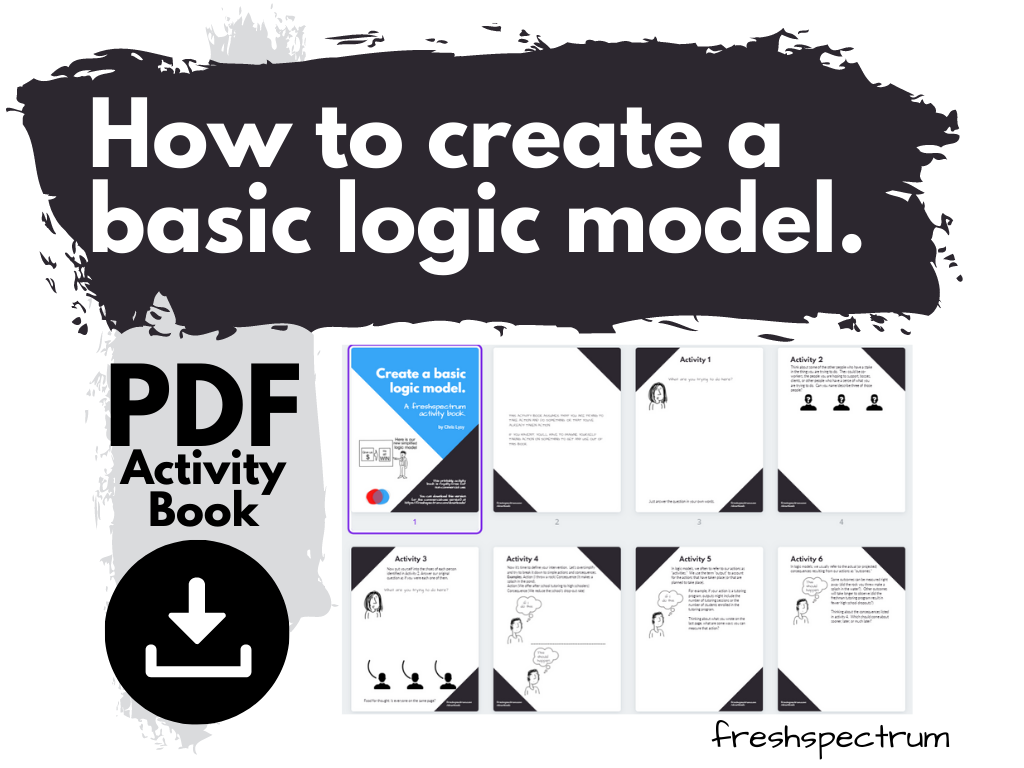
How to create a basic logic model [activity book]
Working with a group to create a logic model? I created a little activity book to help you on your way. Prerequisite (Before you Download) This activity book assumes that you are trying to take action and do something. Or that you’ve already taken action. If you haven’t, you’ll have to imagine yourself taking action […]

What is the difference between a Histogram and a Bar Graph?
If you want to be taken seriously as a data professional, there are some things that you just need to know. The difference between a Bar Chart and a Histogram is one of those things. This post is a little cartoon illustrated explanation of the differences. In short: the difference between a Bar Graph and […]

Selective Justice Isn’t Just
This week’s post was written by Khalil Bitar. Khalil is an evaluator and M&E specialist who has been a leading voice in the EvalYouth global movement. He was also the founder and first president of the Palestinian Evaluation Association (launched in 2013). I invited Khalil to write a post sharing his views during the conflict […]

Evaluation Blogging
Dear Evaluator, I think you should blog. Partially for selfish reasons. The social world is undergoing fundamental changes that will shape our collective future. As an evaluator you are positioned to observe those changes first hand. And I want to hear what you have to say. We all have unique perspectives and backgrounds, but it’s harder […]
Evaluation Subcontracting Business Model
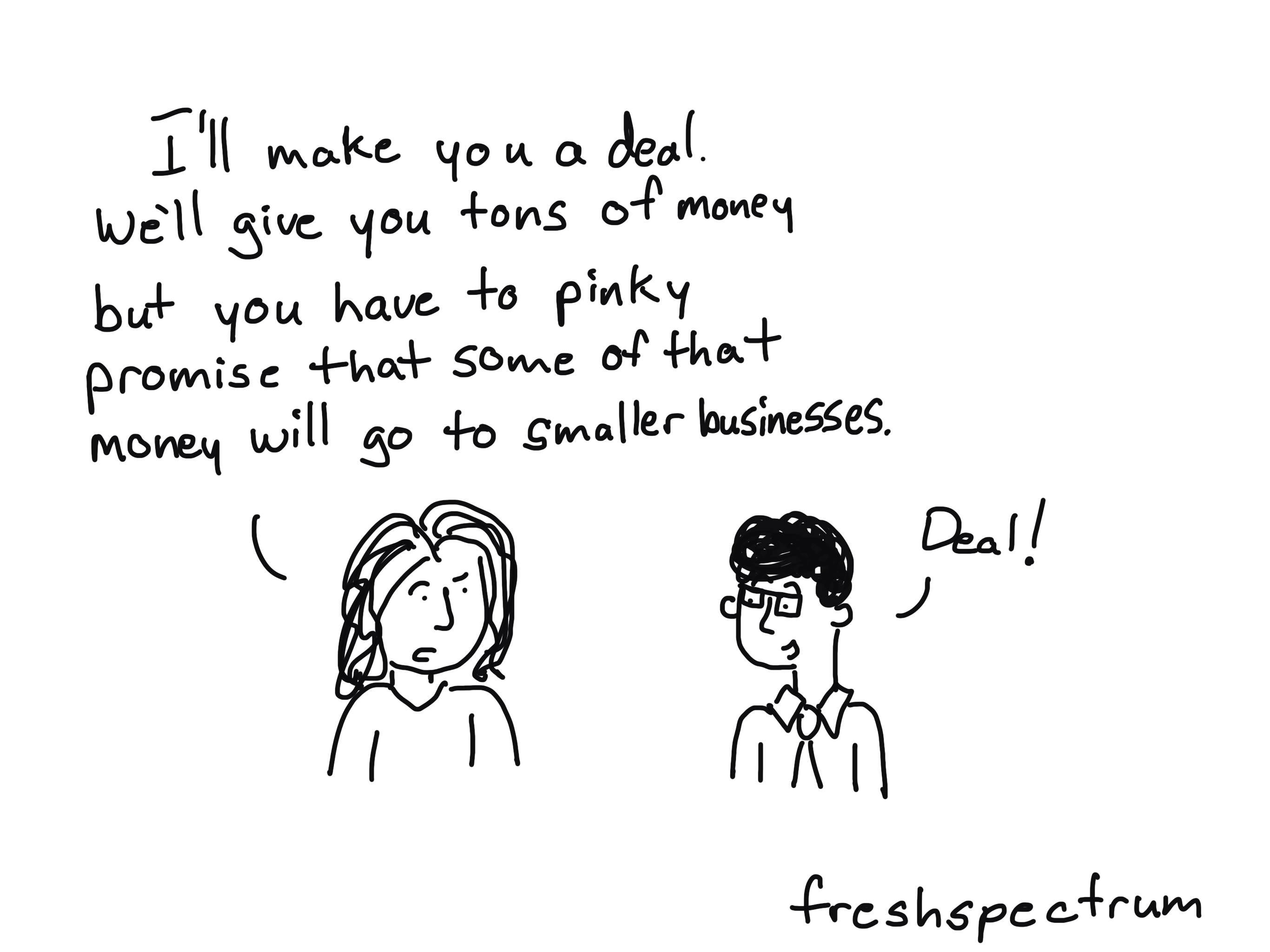
Have you ever noticed how the large well-known consulting firms seem to consistently get the biggest contracts. How is a small business even supposed to compete? Maybe you’re not. But if you can’t beat ’em, join ’em. In this post: Why the big companies tend to get the big contracts. The subcontracting business model. What […]